
Our Services
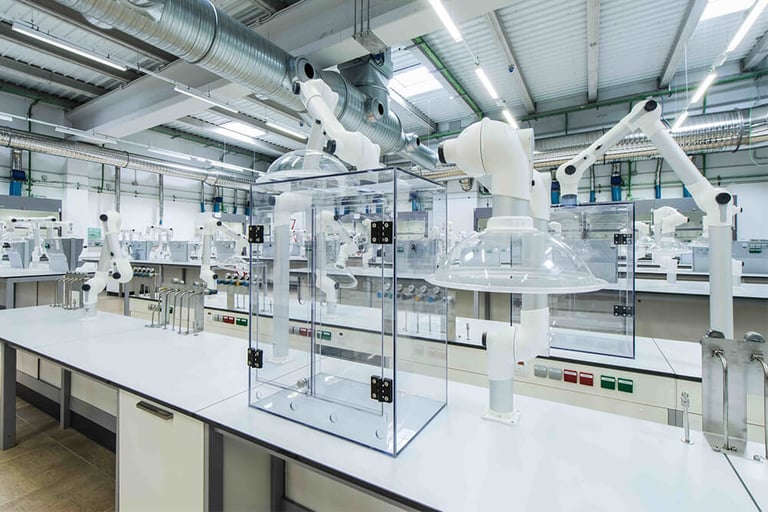
Help You Achieve and Maintain Accreditation
We align all tests and documentation with:
ISO 15189
WHO Laboratory Biosafety Guidelines
ISO 17025
NSF/ANSI 49 & EN 12469
Improve Operational Efficiency
Well‑functioning labs and biosafety cabinets allow staff to work faster and more confidently.
Our services ensure:
Optimal airflow performance
Stable working environments
Fewer workflow disruptions
Help our partners improve all related processes, strengthen laboratory management, develop sustainable equipment management systems and build health workforce capacity.
Our Work
Real results for real clients.
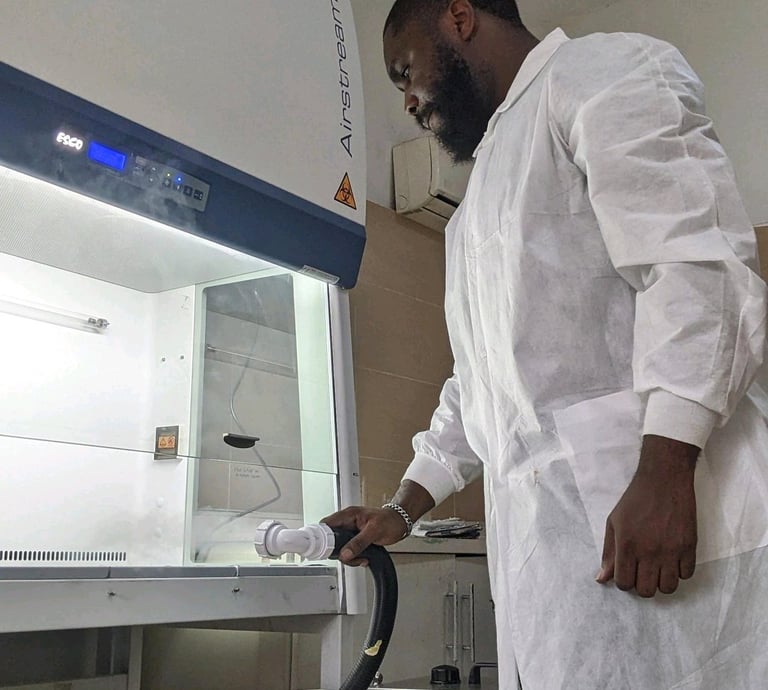
Biosafety Cabinet Installation, Certification & Repair
Over 75 Cabinets Certified every year across Africa.
BSC tests:
Downflow velocity testing
Inflow velocity testing
HEPA filter leak testing (aerosol/PAO method)
Smoke visualization (airflow pattern testing)
Cabinet integrity and structural checks
Alarms and control system validation
Noise, light, and vibration assessment
Exhaust system integrity (for ducted systems)
Post‑certification performance verification
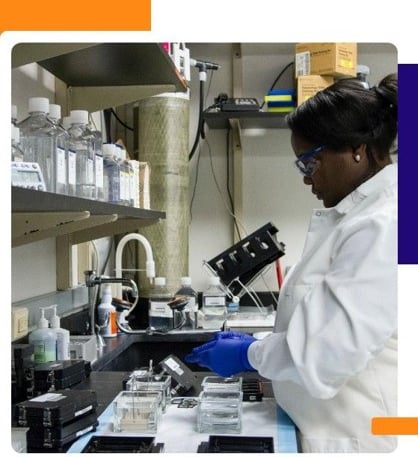
Calibrations
We offer calibration services for difference scopes:
Volume Calibration: 0.1 µL – 10,000 µL range
Mass Calibration: 1 mg – 20 kg range
Speed Calibration: 10 RPM – 30,000 RPM
(Depending on instrument type)
Temperature Calibration: −80°C to +200°C range


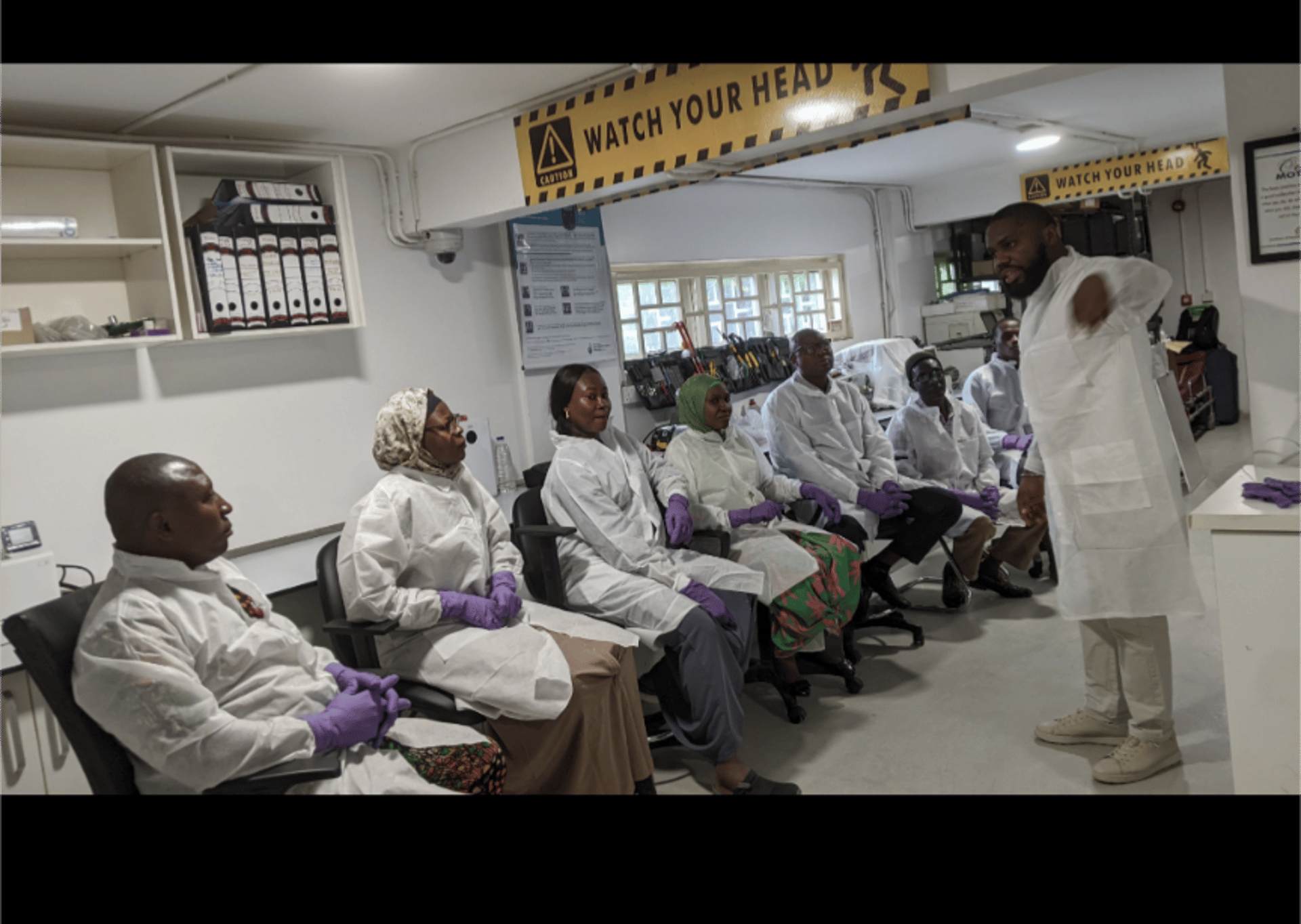
Health programs implementation consulting & trainings
We engineer and deliver competency‑based training programs designed to address both current operational demands and future organizational capability requirements. Our structured learning framework integrates end‑to‑end engagement, beginning with pre‑training diagnostics and baseline competency assessments, followed by intensive, facilitator‑led or computer‑based instructional modules that employ evidence‑based adult‑learning methodologies. The process is completed with post‑training performance reinforcement, continuous skills validation, and sustained technical support to ensure measurable knowledge transfer, operational readiness, and long‑term proficiency
Contact Us
Ready to improve your process? Let's chat.
Contact
Request a call back from us
Phone
service@advercom.org
+234 8057350189
© Advercom
Our Expertise
Biosafety Cabinet (BSC) Certification & Validation
Metrology & Equipment Calibration Services
Laboratory Equipment Maintenance & Technical Support
Laboratory Quality & Compliance Advisory
Training, Capacity Building & Competency Development
Laboratory Infrastructure & Environmental Monitoring
Cold Chain & Vaccine Storage System Support
Technical Consulting & Project Implementation
© 2025. All rights reserved.
ADDRESS
Block 10, 5th Avenue Gwarimpa, FCT Abuja.